The Transformation of Auto Parts Manufacturing
Auto parts manufacturing has shifted from being a supporting link in the automotive value chain to one of its most critical pillars. In 2025, the convergence of electrification, digitalization, and sustainability is redefining the industry landscape.
1. Electrification of Powertrains
Electric vehicles are no longer a niche segment—they are becoming mainstream. This shift has created strong demand for specialized auto parts such as lithium-ion battery modules, battery management systems, thermal management components, and lightweight structural parts.
2. Increasing Use of Lightweight Materials
Manufacturers are turning to advanced materials like aluminum, magnesium alloys, high-strength steel, and carbon composites to reduce vehicle weight and improve fuel efficiency or EV range.
3. Regionalization of Supply Chains
Global supply chain disruptions have highlighted the vulnerabilities of long-distance sourcing. In response, automakers are moving toward regionalized supply networks. Localized production helps mitigate risks, reduce shipping costs, and ensure faster delivery to OEMs.
4. Adoption of Industry 4.0 and Digital Manufacturing
Automation, robotics, and data-driven operations are becoming central to modern auto parts manufacturing. The use of digital twins, AI-driven quality monitoring, and predictive maintenance is improving efficiency and lowering downtime.
5. Consolidation Through Mergers and Acquisitions
The technical requirements of next-generation vehicles, coupled with rising R&D costs, are driving consolidation across the supplier ecosystem. Larger tier-1 suppliers are acquiring niche firms with expertise in EV components, advanced electronics, and software integration.
6. Regulatory and Compliance Pressures
Governments worldwide are tightening regulations on vehicle safety, emissions, and recyclability. For suppliers, compliance adds complexity across materials sourcing, production processes, and waste management.
7. Emphasis on Circular Economy and Recycling
Sustainability is now a competitive differentiator. Manufacturers are integrating recycled plastics, remanufactured parts, and battery recycling solutions into their operations.
8. Rise of Software-Enabled Components
Vehicles are evolving into software-defined platforms. Components such as sensors, electronic control units (ECUs), and diagnostic systems now embed software that supports ADAS and over-the-air (OTA) updates.
9. Managing Cost Pressures and Market Volatility
Fluctuating raw material prices, higher logistics expenses, and inflationary trends are straining supplier margins. Companies are countering through lean manufacturing, smarter procurement practices, and part redesign.
10. Workforce Transformation and Skills Development
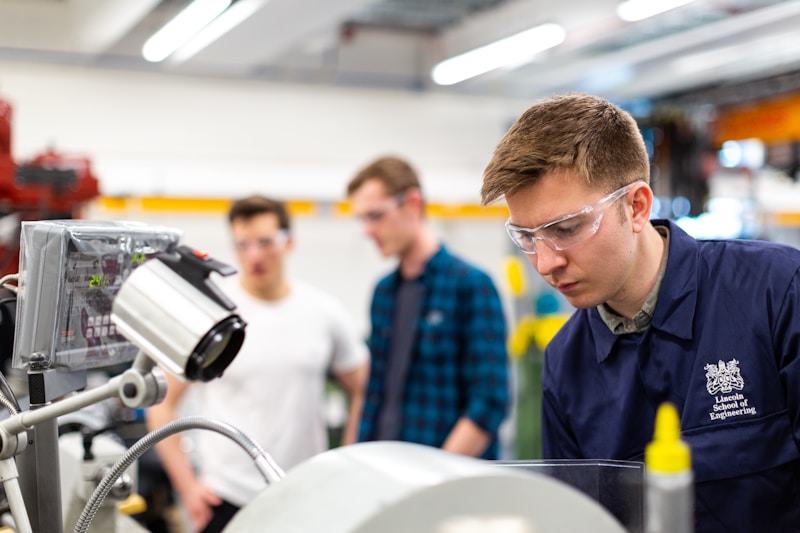
The shift toward automated and digitalized production requires new skill sets. Expertise in robotics, data analytics, and advanced engineering is becoming increasingly valuable.
Outlook
Companies that adapt to EV-specific demand, embrace Industry 4.0 technologies, and integrate sustainable practices are expected to strengthen their competitive edge. The next five years will mark a decisive shift in how auto parts are designed, produced, and integrated into vehicles.
Carval Auto Parts continues to evolve with these industry trends to serve our customers better.