The Transformation of the Car Parts Industry in 2025
The automotive aftermarket is transforming at breakneck speed, and the car parts industry in 2025 is light-years ahead of where it was just a few years ago. With the global automotive parts market projected to reach $680 billion, the real story isn't just about numbers — it's about technology-driven disruption across every segment.
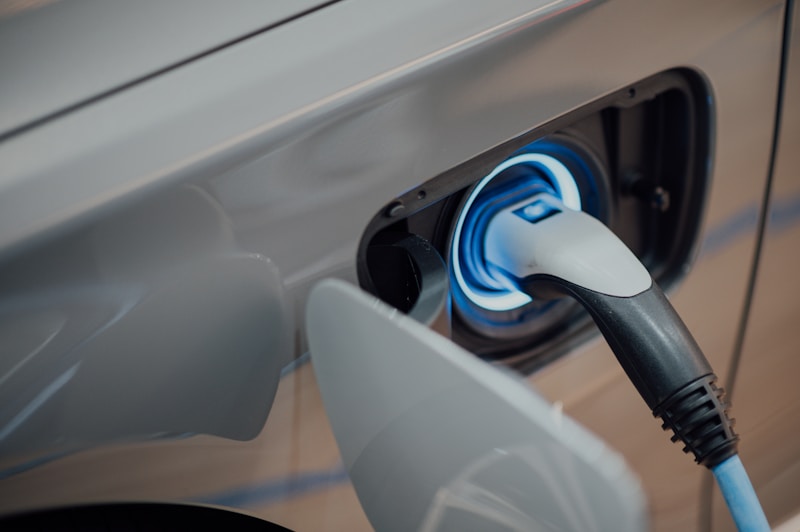
1. Electric Revolution: Battery Technology Breakthroughs
Electric vehicle batteries now last 15-20 years with proper maintenance, compared to just 3-5 years in early EV models. This longevity has created an entirely new market for battery reconditioning and modular replacement parts. Tesla's new 4680 battery cells are 6 times larger than previous cells but provide 16% more range.
Traditional alternators and starters are being replaced by DC-DC converters and onboard chargers, creating a 300% growth in specialized electrical components.
2. AI-Powered Predictive Maintenance
Advanced AI systems can predict part failures up to 90 days in advance with 85% accuracy. AI algorithms analyze over 2,000 data points per vehicle to determine optimal replacement timing, reducing unnecessary part replacements by up to 40%. Companies like Bosch and Continental are integrating AI chips directly into brake pads, tires, and engine components.
3. Sustainable Revolution: Circular Economy
89% of automotive parts are now recyclable, up from just 65% in 2020. Remanufactured parts use 85% less energy to produce compared to new parts and cost 40-60% less while offering identical performance. Bio-based brake pads made from agricultural waste and recycled carbon fiber components are entering the market.
4. 3D Printing: From Prototype to Production
Major manufacturers like BMW and Ford now 3D print over 200,000 parts annually for production vehicles. 3D printing has reduced spare parts inventory costs by up to 70% while enabling same-day delivery of previously obsolete components. Metal 3D printing with aerospace-grade materials means engine blocks and transmission components can now be printed on-demand.
5. Blockchain Transparency: Trust in Every Part
Counterfeit parts cost the global automotive industry $45 billion annually — but blockchain technology is changing everything. Blockchain-verified parts show 99.9% authenticity rates, compared to just 60% for traditional supply chains. Each part gets a digital passport tracking its entire lifecycle from manufacturing to installation.
6. Smart Parts: Internet of Vehicle Things (IoVT)
The connected car parts market is expected to reach $20 billion by 2025. Smart filters monitor air quality and send replacement alerts. Tires with embedded sensors report pressure, temperature, and tread wear. Brake pads communicate with smartphones when maintenance is needed. Mercedes-Benz's latest smart parts ecosystem can detect issues 0.3 seconds before drivers notice symptoms.
7. Nanotechnology Integration
Nanotechnology-enhanced parts now include self-healing paint that repairs minor scratches in hours, nano-coated engine parts that reduce friction by 35%, and nanofiber air filters capturing particles 200 times smaller than traditional filters. Nanotechnology-enhanced parts will comprise 25% of premium automotive components by 2026.
Key Takeaways for Industry Players
- Invest in digital transformation or risk obsolescence
- Sustainability isn't optional — it's now profitable
- Data-driven decisions will separate winners from losers
- Customer experience via smart parts creates loyalty
Carval Auto Parts is committed to staying at the forefront of these trends, offering the latest and most innovative automotive components to our customers worldwide.