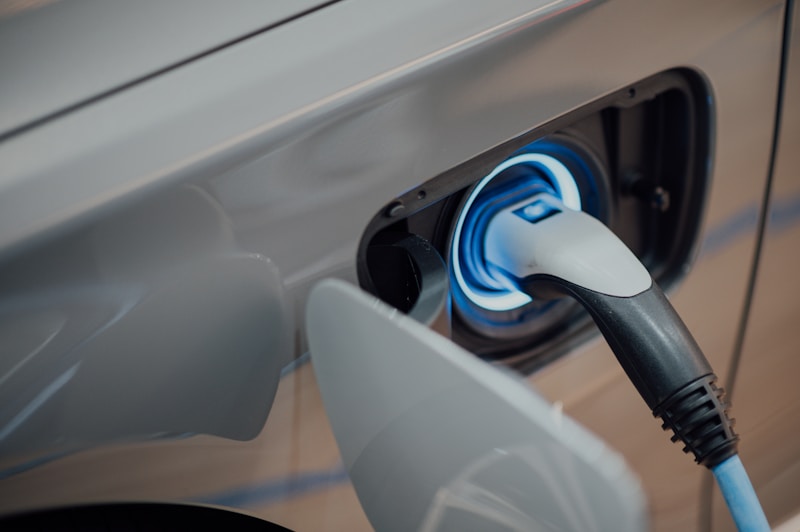
The Electric Revolution Is Reshaping the Auto Parts Industry
Electric vehicles have officially crossed the tipping point—in 2026, EVs represent over 25% of new car sales globally, and the aftermarket is adapting rapidly. If you're an EV owner or considering making the switch, understanding the unique maintenance and parts landscape of electric vehicles is essential.
Understanding EV Architecture
Unlike traditional internal combustion vehicles, electric vehicles feature fundamentally different technology:
Core EV Components
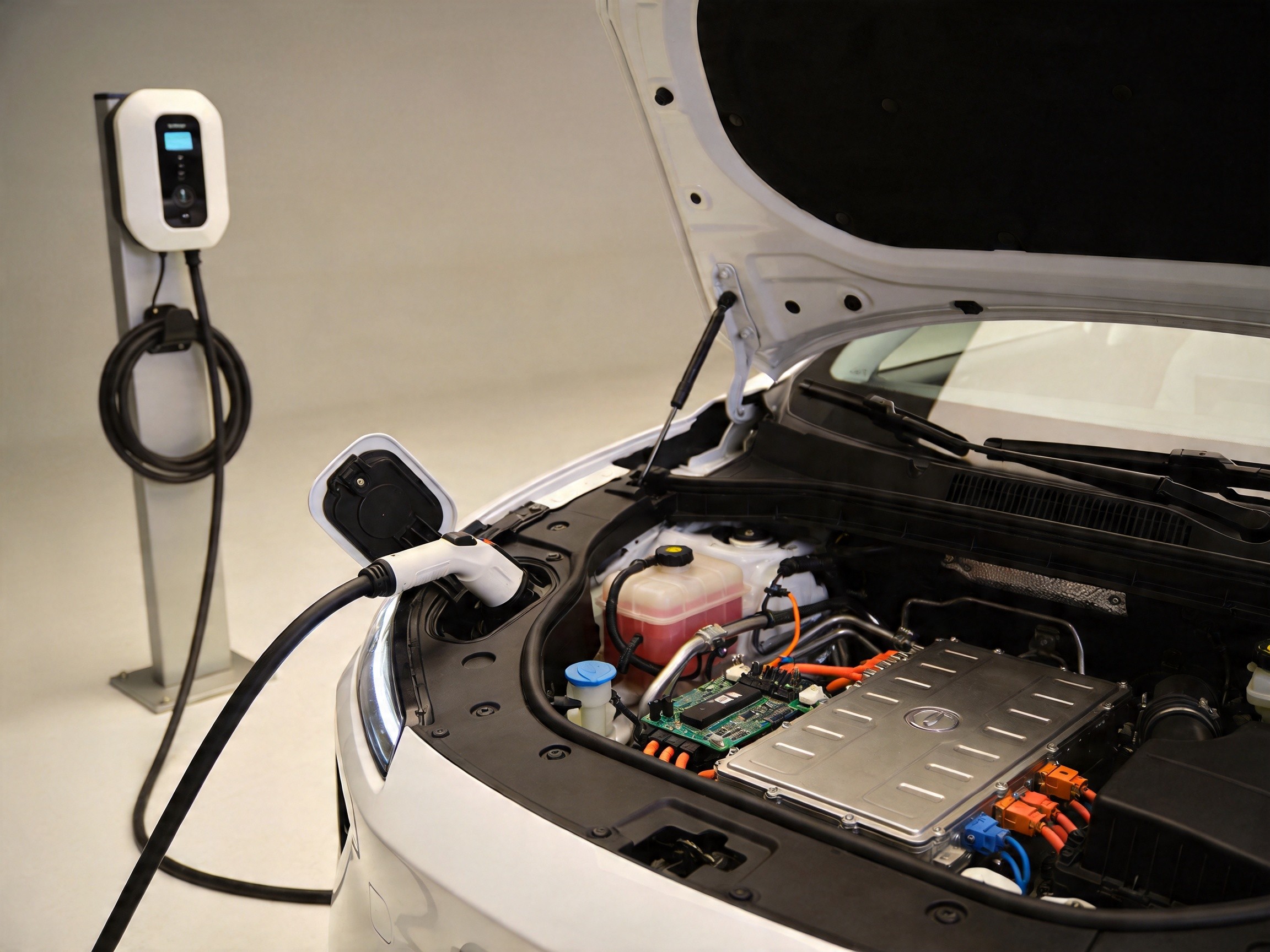
- Battery Pack: The heart of the EV, typically 60-100 kWh lithium-ion battery
- Electric Motors: One or more motors providing instant torque
- Power Electronics: Inverters, converters, and charging systems
- Thermal Management: Advanced heating and cooling systems
- Regenerative Braking: Energy recovery during deceleration
The Changing Aftermarket Landscape
The EV transition is creating both challenges and opportunities in the auto parts industry:
Parts Categories Declining
- Engine components (pistons, camshafts, timing belts)
- Traditional transmissions and clutches
- Exhaust systems and catalytic converters
- Spark plugs, ignition coils, and distributors
- Oil filters and traditional oil changes
Growing EV-Specific Markets
- Battery modules, cells, and management systems
- Power electronics (inverters, DC-DC converters)
- Electric motor components and bearings
- High-voltage wiring and connectors
- Thermal management systems and coolant
- EV-specific brake pads (due to regenerative braking)
- Charging equipment and accessories
Essential EV Maintenance Knowledge
What EVs Don't Need
Electric vehicles eliminate many traditional maintenance requirements:
- No Oil Changes: EVs have no engine oil to change—saves $100-200 per service
- No Timing Belt Replacement: No timing belts, chains, or associated components
- Fewer Brake Replacements: Regenerative braking extends brake life by 50% or more
- No Transmission Service: Single-speed transmissions require minimal maintenance
What EVs Still Need
Despite fewer moving parts, EVs require specific maintenance:
- Cabin Air Filter: Replace every 20,000-30,000 miles
- Coolant System: Battery and motor thermal management requires periodic coolant service
- High-Voltage Battery Health: Monitoring and conditioning to maintain range
- Tire Rotations: EVs are heavy—tire wear can be faster
- Brake Fluid: Even with regenerative braking, hydraulic brake fluid needs service
- Wiper Blades and Lights: Same as any vehicle
Battery Technology and Care
Understanding Battery Degradation
Modern EV batteries are designed to last the vehicle's lifetime, typically 10-15 years. Factors affecting battery health include:
- Charging Habits: Frequent 0-100% cycles accelerate degradation
- Temperature Exposure: Extreme heat or cold affects battery chemistry
- Fast Charging: Regular DC fast charging generates more heat
- Storage State: Long-term storage at high charge levels isn't ideal
Best Practices for Battery Longevity
- Keep charge level between 20-80% for daily use when possible
- Avoid frequent 0-100% full cycles
- Use Level 2 home charging for daily needs
- Precondition the vehicle while still plugged in
- Park in shade or garage during extreme weather
The Hybrid Opportunity
For the foreseeable future, hybrid vehicles bridge the gap between traditional and electric. Hybrids still require:
- Traditional oil changes (though less frequently)
- Engine maintenance for the internal combustion component
- Both EV and traditional parts supplies
- Specialized knowledge for dual-system diagnostics
This creates sustained demand for traditional parts while the EV transition matures.
Finding Quality EV Parts
OEM vs Aftermarket for EVs
The aftermarket is adapting to serve EV owners:
- OEM Parts: Guaranteed compatibility, full warranty support
- Certified Aftermarket: Growing selection of quality alternatives
- Salvage/Recycled: Battery modules and cells from salvaged EVs
Where to Buy EV Parts
- Authorized dealerships for major components
- Specialized EV parts suppliers
- Online marketplaces with verified sellers
- Battery rebuild specialists for pack repairs
ADAS and EV Technology
Electric vehicles typically feature advanced driver assistance systems (ADAS) that require specialized attention:
- Camera Calibration: After windshield replacement or collision repair
- Sensor Alignment: Radar and ultrasonic sensor positioning
- Software Updates: OTA updates and dealer programming
The Future of EV Aftermarket
Industry analysts predict significant growth in EV aftermarket segments:
- Battery replacement and refurbishment services
- High-voltage safety training and certification
- EV-specific diagnostic equipment
- Charging infrastructure installation and maintenance
- Recycled and refurbished EV components
Preparing for the Transition
Whether you own an EV or service vehicles professionally:
- Invest in EV-specific training and certifications
- Acquire necessary diagnostic equipment
- Build relationships with EV parts suppliers
- Stay current with evolving technology
At Carval Auto Parts, we're committed to supporting the evolving needs of EV owners. Our inventory includes traditional parts that EVs still need, and we're expanding our EV-specific offerings.