Modern Emergency Power Has Revolutionized Roadside Assistance
Dead batteries don't announce themselves—they leave you stranded at the worst possible moment. In 2026, smart battery boosters have evolved from simple jump starters into comprehensive emergency power stations that fit in your glove box. This guide will help you understand why these devices are becoming essential car accessories.
Why Traditional Jumper Cables Are Outdated
While jumper cables have served drivers for decades, they come with significant limitations:
- Require a second vehicle to be present
- Depend on another driver's willingness to help
- Can be dangerous if connected incorrectly
- Provide no diagnostic information
- Don't work well with modern electronic vehicles
Modern smart battery boosters eliminate all these problems while adding features that traditional cables never could.
The Technology Behind Smart Boosters
How They Work
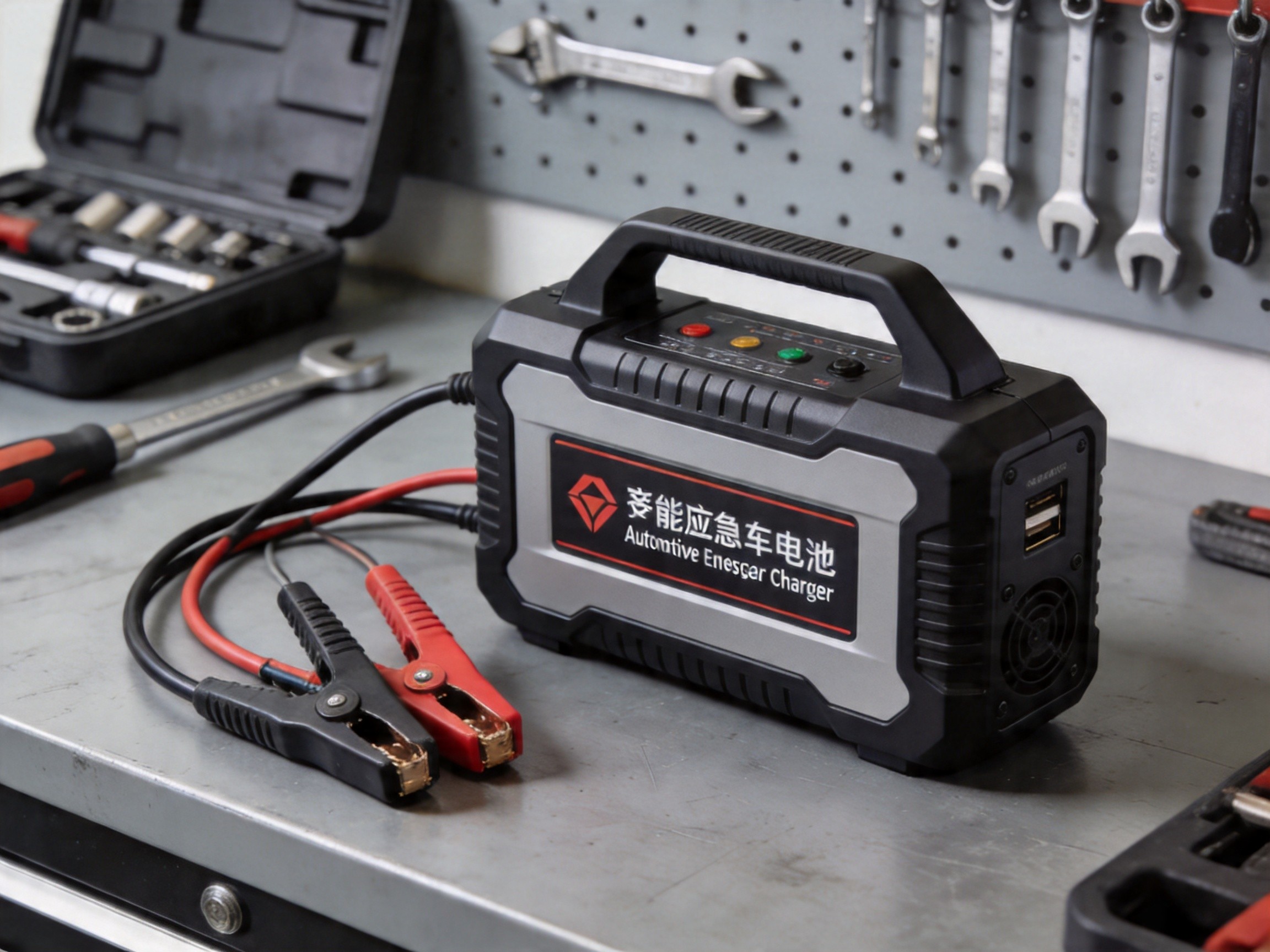
Smart battery boosters contain lithium-ion or supercapacitor technology that stores electrical energy and delivers it safely to your vehicle's battery:
- Lithium-Ion Boosters: Store more energy, provide multiple jumps per charge
- Supercapacitor Units: Charge extremely fast, excel in cold weather
- Safety Systems: Protect against reverse polarity, short circuits, and sparks
Key Specifications
- Peak Amps: Higher is better for large engines—look for 1000A+ for trucks and SUVs
- Cranking Amps: The sustained power needed to actually start your engine
- Battery Capacity: Measured in mAh—higher means more device charges and jumps
- Input/Output Ports: USB-C, USB-A, wireless charging capabilities
Top Features to Look For in 2026
Multi-Function Capability
The best battery boosters do far more than jump starts:
- USB-C Fast Charging: Power your phones, tablets, and laptops
- Wireless Charging: Qi-compatible device charging without cables
- LED Work Lights: Essential for nighttime emergencies
- Air Compressors: Inflate flat tires to get you to a repair shop
- Power Bank Function: Keep devices charged during outages
Safety Features
Modern units include comprehensive protection:
- Reverse Polarity Protection: Won't damage your car if connected incorrectly
- Spark-Proof Technology: Eliminates dangerous sparks during connection
- Overload Protection: Prevents damage from excessive current draw
- Temperature Protection: Works in extreme heat and cold
- Vehicle Connection Detection: Won't activate until properly connected
Supercapacitor Technology: The Game Changer
The most exciting development in 2026 is the emergence of supercapacitor auxiliary systems:
Advantages Over Lithium-Ion
- Ultra-Fast Charging: Charge fully in 2-5 minutes via any 12V outlet
- Cold Weather Performance: Don't lose capacity in freezing temperatures
- Extended Lifespan: 10+ year operational life vs 3-5 years for lithium
- No Battery Degradation: Maintain full capacity indefinitely
Ideal Use Cases
- Fleet vehicles that sit for extended periods
- Cold climate locations
- Emergency services and commercial use
- Infrequent drivers who need reliable emergency power
Choosing the Right Booster
Match to Your Vehicle
Not all boosters are created equal:
- Sedans and Small SUVs: 500-1000A peak is sufficient
- Large SUVs, Trucks, Diesels: Need 1500A+ peak amps
- Motorcycles: Compact 300-500A units work well
Consider Your Needs
- Frequency of Use: Higher capacity for occasional drivers
- Climate: Supercapacitor for extreme cold
- Additional Features: Integrated compressors, work lights
Top Recommendations for 2026
Premium: NOCO Boost Plus GB40
1,000A peak, up to 20 jump starts per charge, USB-C fast charging, and built-in work light. Price: $94-110.
Heavy Duty: Ring Automotive UltraBoost 1500A
1,500A for trucks and diesel engines, digital display, and compact design.
Supercapacitor: Autel MaxiCharger
Supercapacitor technology for instant charging and cold-weather reliability.
Proper Usage and Safety
Step-by-Step Jump Procedure
- Ensure the booster is charged above 50%
- Connect red clamp to positive (+) battery terminal
- Connect black clamp to a grounded metal surface (not the battery)
- Turn on the booster if required
- Start your vehicle
- Remove clamps in reverse order
- Drive for at least 20 minutes to recharge your battery
Maintenance Tips
- Keep the unit charged—recharge every 3 months when stored
- Store in a temperature-controlled environment
- Inspect clamps and cables periodically
- Replace if case is damaged or swollen
Beyond Your Personal Vehicle
Smart battery boosters serve multiple purposes:
- Marine Use: Charge boat batteries and recreational equipment
- RV Travel: Emergency backup for motorhome batteries
- Power Outages: Keep essential devices running
- Camping: Power lights, fans, and small appliances
Making the Investment
A quality battery booster costs $50-200 but provides priceless peace of mind. Consider:
- The cost of a single tow truck ride: $100-300
- The inconvenience of being stranded
- The ability to help others in need
- Emergency preparedness for any situation
At Carval Auto Parts, we stock smart battery boosters from trusted brands. Our team can help you select the right unit for your vehicle and needs.